Falles de València
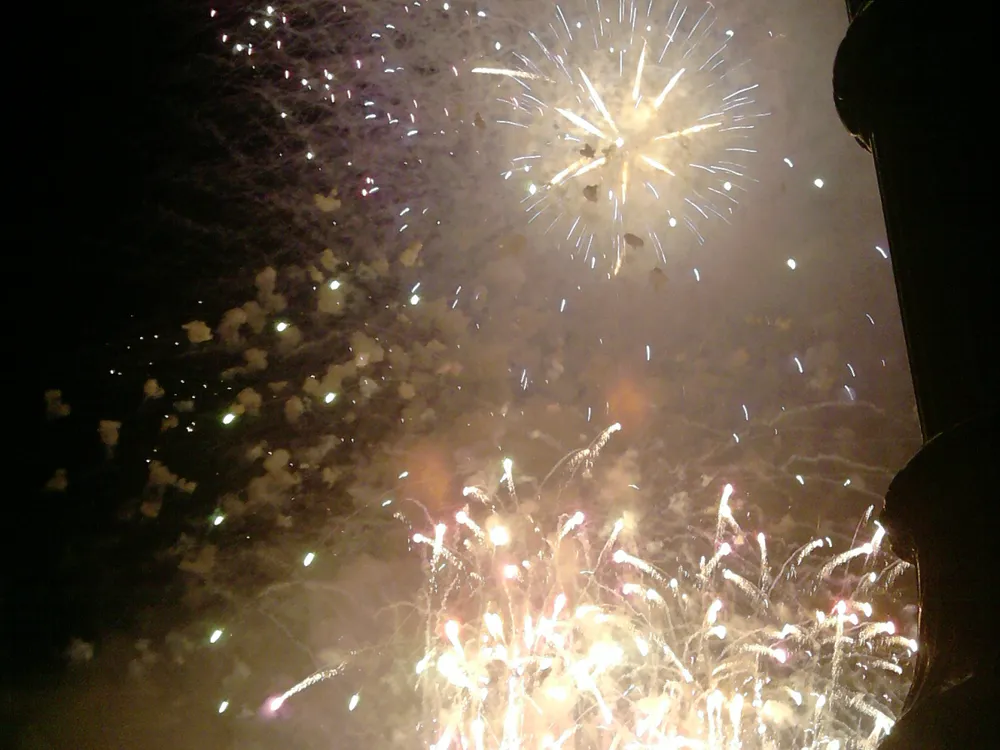
València's biggest festival, declared Intangible Cultural Heritage of Humanity by UNESCO. The falla committees build cardboard and wooden monuments that are burned on the Nit de la Cremà of 19 March. It includes daily mascletàs, the Flower Offering to the Virgin and firework displays.
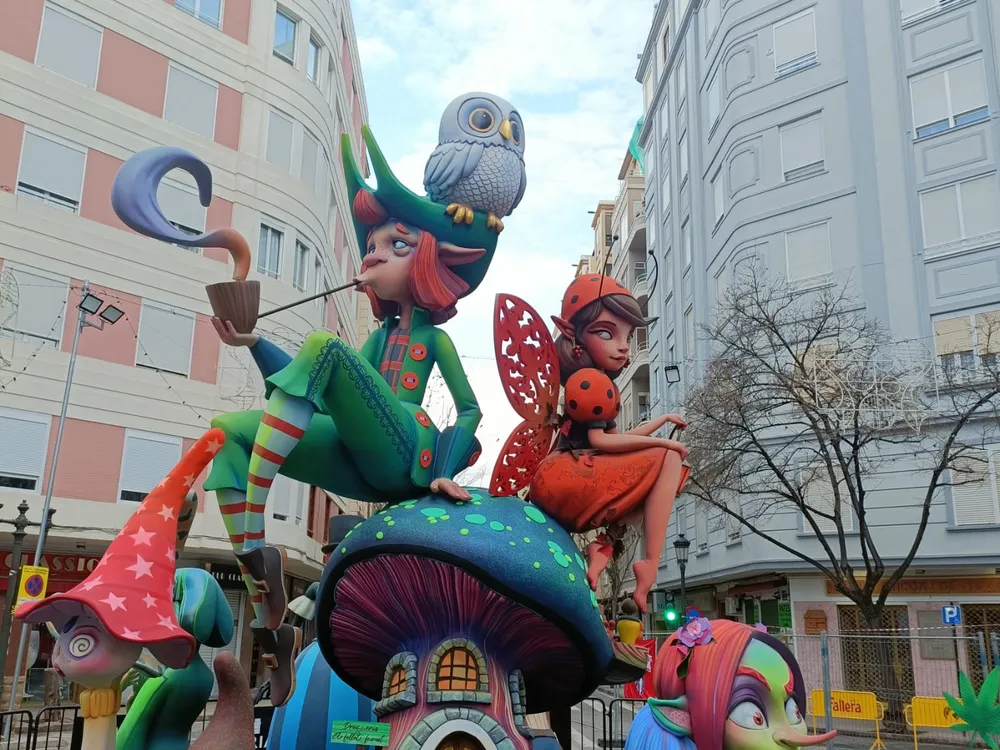
From 1 to 19 March, València fills with sculptures of cardboard and wood that burn on the final night. This is Las Fallas, listed by UNESCO as Intangible Cultural Heritage in 2016.
What it is
Each district has its committee, which spends the whole year raising money and designing its falla: a satirical sculpture whose figures, the ninots, poke fun at politics, celebrities and whatever happened that year. There is a children's category and an adult one. A public vote pardons a single ninot from the flames; it goes to the Museu Faller. The festival lives in the street, it is loud, and nothing costs a thing.
When and where
The festival runs 1 to 19 March, though the big days are 15 to 19. The monuments stand finished around 15 and 16 March, and everything ends with the Nit de la Cremà on the 19th, when the fallas burn. The sculptures are spread across the neighbourhoods. The daily mascletà goes off at 2 pm in Plaza del Ayuntamiento.
What to see and feel
- The mascletà at two in the afternoon: rhythmic gunpowder you feel in your chest.
- The Flower Offering to the Virgin, on 17 and 18 March, with thousands of falleras parading.
- Firework displays in the old Turia riverbed, including the Nit del Foc.
- The Cremà on the 19th, when each falla burns one after another.
To plan your trip, check the Fallas guide and the festival calendar.
Tips
Book a room months ahead, because the city fills up. Walk or take the metro: half of València closes to traffic on those days. Bring earplugs for the mascletà and try a buñuelo with hot chocolate at any stall. Check other festivals and the live agenda for exact dates and times.
Frequently asked questions
When is Las Fallas?
From 1 to 19 March each year, with the main events between the 15th and the 19th. The Cremà closes the festival on the night of the 19th. Check the agenda for this year's exact times.
Is it free?
Yes. Watching the fallas in the street, the mascletàs, the Flower Offering and the Cremà costs nothing. You only pay if you eat, drink or enter a ticketed dance.
Where is it best experienced?
The mascletà belongs in Plaza del Ayuntamiento and the Cremà in any falla district. The prize-winning fallas of Convento Jerusalén and Na Jordana usually draw the longest queues.
Comments
Sign in with Google to comment and rate
What did you think? Be the first to share it.