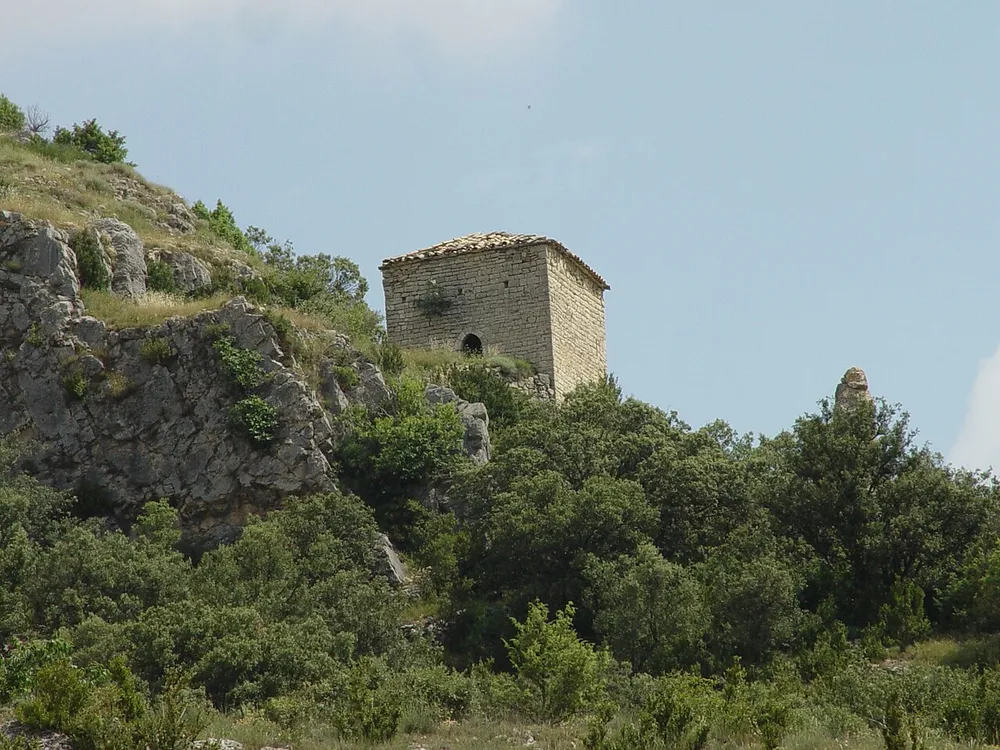
Ermita de Sant Esteve
This late-17th-century hermitage (built around 1666-1702) crowns a hilltop and offers the finest panoramic views over Ontinyent and the whole Vall d'Albaida. Listed as an Asset of Local Relevance, it preserves a Baroque main altarpiece devoted to the life of Sant Esteve, a 17th-century crucified Christ, and an image of the Virgin of the Rosary. It's a classic spot for a walk and a sunset.
Perched high on the Serra de Sant Esteve, on the outskirts of Ontinyent and overlooking the valley of the Clariano river, this late 17th-century chapel crowns a hilltop that offers the finest panoramic views of the town and of the entire Vall d'Albaida. It is a classic spot for a walk, a breath of fresh air and an evening spent watching the sunset.
History
Built towards the end of the 17th century, the chapel reflects the Baroque taste typical of Valencian religious architecture of the period, with a simple, compact form designed to crown the height of the hill. Today it is listed as a Site of Local Relevance (Bien de Relevancia Local), a designation that protects its historical value and its role as a landmark in the landscape of Ontinyent.
What to see
The interior preserves several notable pieces:
- A Baroque main altarpiece dedicated to the life of Sant Esteve (Saint Stephen).
- A 17th-century crucified Christ.
- An image of the Virgin of the Rosary.
But the greatest draw lies outside: the natural viewpoint that opens up at the foot of the building.
Tips for your visit
- Come at dusk; the light over the valley is spectacular.
- Wear comfortable shoes: the access is uphill and best done on foot.
- Bring water, especially during the hot months.
- Pair it with a stroll through the old town of Ontinyent.
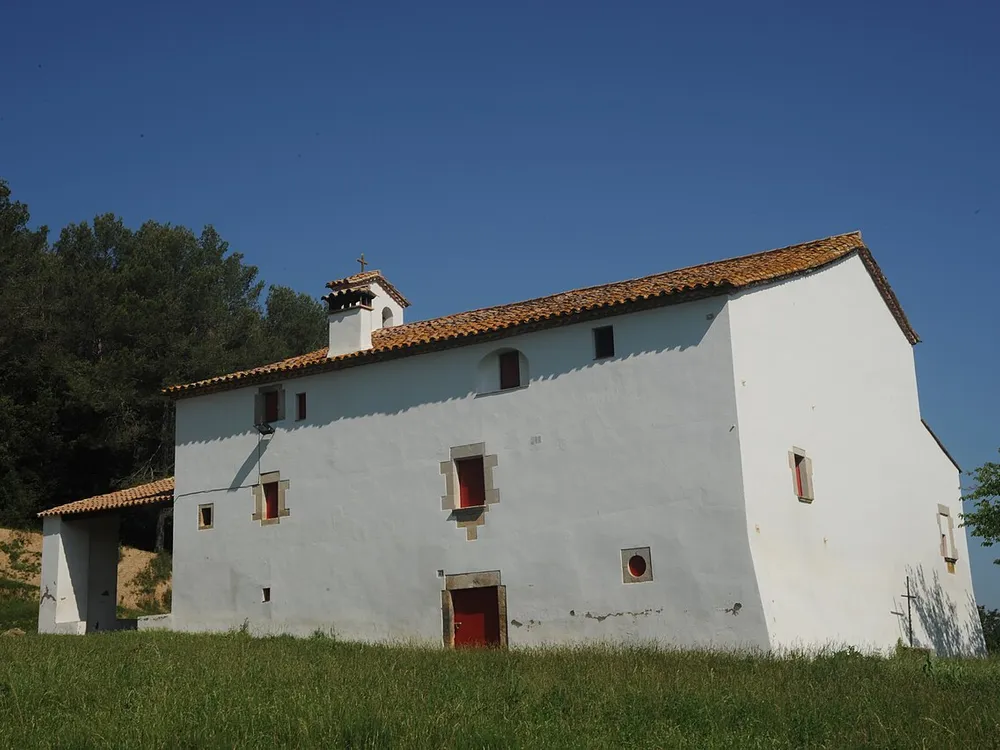
Frequently asked questions
Why visit the Ermita de Sant Esteve?
It crowns a hill with the best panoramic views of Ontinyent and the whole Vall d'Albaida; it is a classic spot for a walk and to watch the sunset.
How old is the Ermita de Sant Esteve?
It dates from the late 17th century, around 1666-1702, in Baroque style, and is listed as an Asset of Local Relevance.
What is kept inside the hermitage?
A Baroque main altarpiece devoted to the life of Sant Esteve, a 17th-century crucified Christ and an image of the Virgin of the Rosary.
Comments
Sign in with Google to comment and rate
What did you think? Be the first to share it.