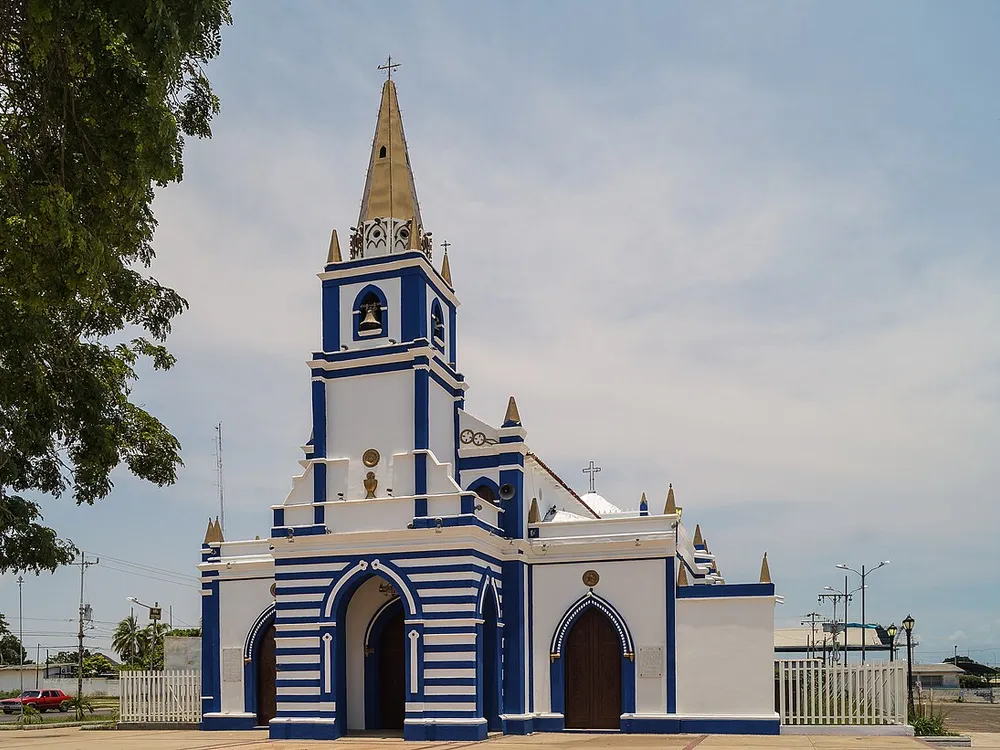
Iglesia Parroquial de la Inmaculada Concepción
Begun in the mid-16th century and greatly enlarged in the 18th, this is a basilica-plan church with side chapels set between buttresses and an imposing barrel vault over the nave. It was rebuilt with royal and ecclesiastical backing after the 1748 earthquake, and a 2004 restoration uncovered Baroque tempera murals along the central nave. Its roughly 34-metre bell tower, raised between 1910 and 1920, towers over the old town.
In the old town of Anna, along Calle Mayor, stands the Iglesia Parroquial de la Inmaculada Concepción, the village's main church. Its origins go back to the mid-16th century, though it was greatly enlarged in the 18th, which gives it the monumental presence that surprises visitors threading through the narrow streets around it.
History
The building rose in the mid-16th century and was substantially extended during the 18th. After the earthquake of 1748 it was rebuilt with royal and ecclesiastical support, work that shaped much of its present appearance. During the 2004 restoration, tempera wall paintings in a Baroque style came to light on the vault of the central nave.
What to see
The church has a basilical plan with side chapels set between the buttresses, and a barrel vault covers the central nave, where the recovered paintings are preserved. Outside, the bell tower, around 34 metres tall and raised between 1910 and 1920, rises above the rooftops and serves as a point of reference from almost anywhere in the village.
Tips for your visit
- Pair it with a stroll through the old town and the nearby Palace of the Counts of Cervelló.
- Check the service times, as access usually coincides with Mass.
- While in Anna, make time for the Albufera lake and the surrounding water landscapes.
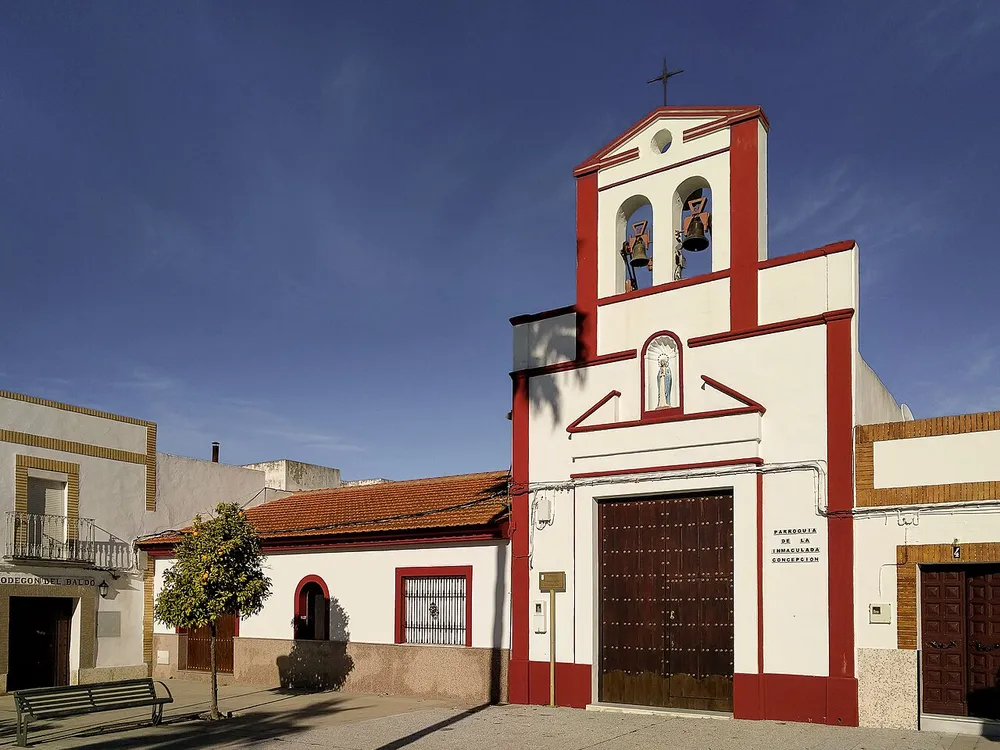
Frequently asked questions
Is it free to visit the Parish Church of the Immaculate Conception?
Yes, entry is free. It is the town's main church, on Calle Mayor in the old quarter of Anna.
What is the history of this church?
It was built in the mid-16th century and greatly enlarged in the 18th; after the 1748 earthquake it was rebuilt with royal and ecclesiastical support.
What stands out inside and outside?
The 2004 restoration uncovered delicate Baroque tempera murals in the central nave. Its bell tower, around 34 metres tall, dominates the village rooftops.
Comments
Sign in with Google to comment and rate
Be the first to comment.