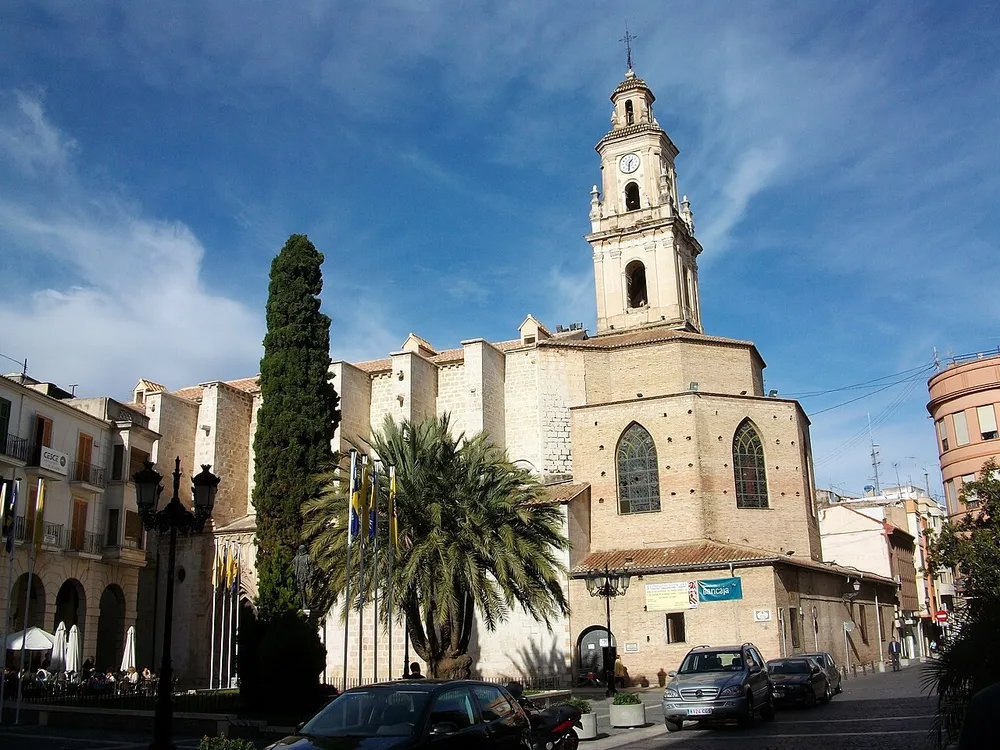
Colegiata de Santa María de Gandia (Seu de Gandia)
Known as la Seu, this collegiate church is Gandia's main temple and a gem of Valencian Gothic raised between the 14th and 16th centuries. Highlights include its three doorways, especially the Porta dels Apòstols, and its elevation to collegiate status thanks to the patronage of the Borja ducal house. Carefully restored after Civil War damage, it presides over the city's main square.
Affectionately known as la Seu, the Collegiate Church of Santa María is the main temple of Gandia and one of the great gems of Valencian Gothic. Raised between the 14th and 16th centuries, its sober stone bulk presides over the main square of the old town and marks the monumental heart of the city, just steps from the dukes' palace.
History
The church grew throughout the medieval period in the Gothic style typical of the Kingdom of Valencia, with vertical lines and powerful volumes. Its great leap came with the rise of the Borja ducal house, whose patronage drove its elevation to collegiate status, a rank that reflected Gandia's weight as the capital of a prosperous duchy. Badly damaged during the Civil War, it has since been carefully restored to recover its monumental appearance.
What to see
- The temple's three doorways, especially the celebrated Porta dels Apòstols, with its rich Gothic sculptural decoration.
- The broad single-nave interior, characteristic of Valencian Gothic.
- The ensemble it forms with the square and the nearby Palau Ducal dels Borja.
Tips for your visit
Access to the exterior is free; check the service times before entering and keep quiet if mass is being held. Combine it with the ducal palace and a stroll through the old town, then save the afternoon for Gandia beach.
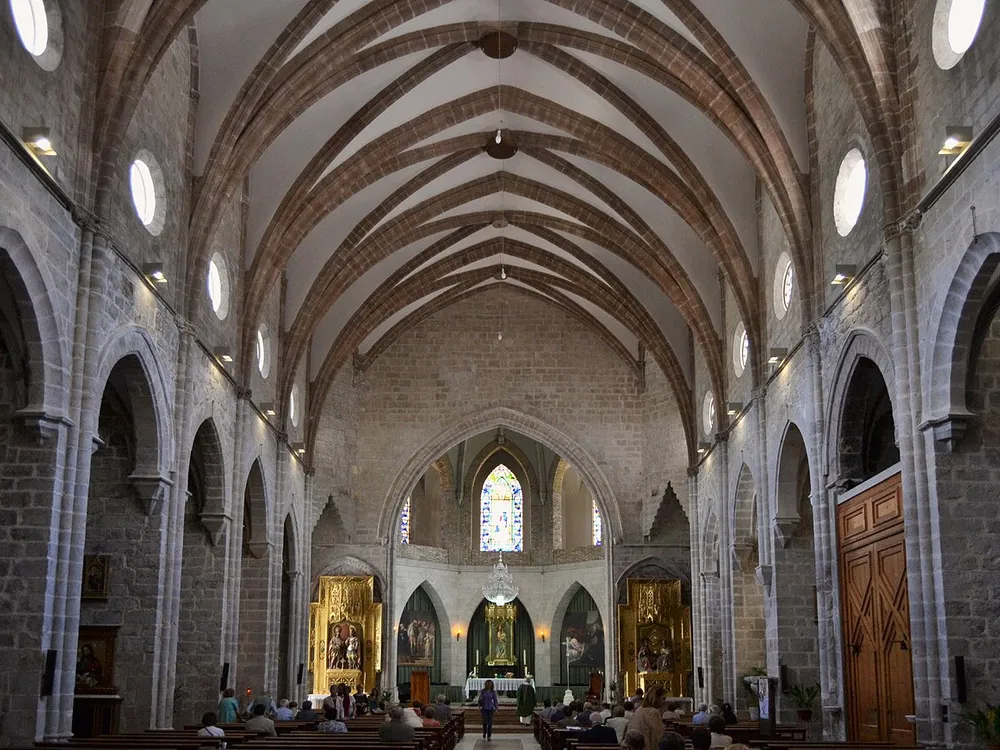
Frequently asked questions
Can you visit La Seu de Gandia for free?
Yes, entry is free.
Where is La Seu de Gandia located?
It presides over the main square of the historic centre (Plaça Major), a few steps from the dukes' palace.
Why is this collegiate church important?
It is Gandia's main church and a gem of Valencian Gothic built between the 14th and 16th centuries; its three doorways stand out, especially the Porta dels Apòstols, and it was raised to collegiate status thanks to the patronage of the Borja family.
Comments
Sign in with Google to comment and rate
Be the first to comment.