Convent de Sant Francesc de Morella
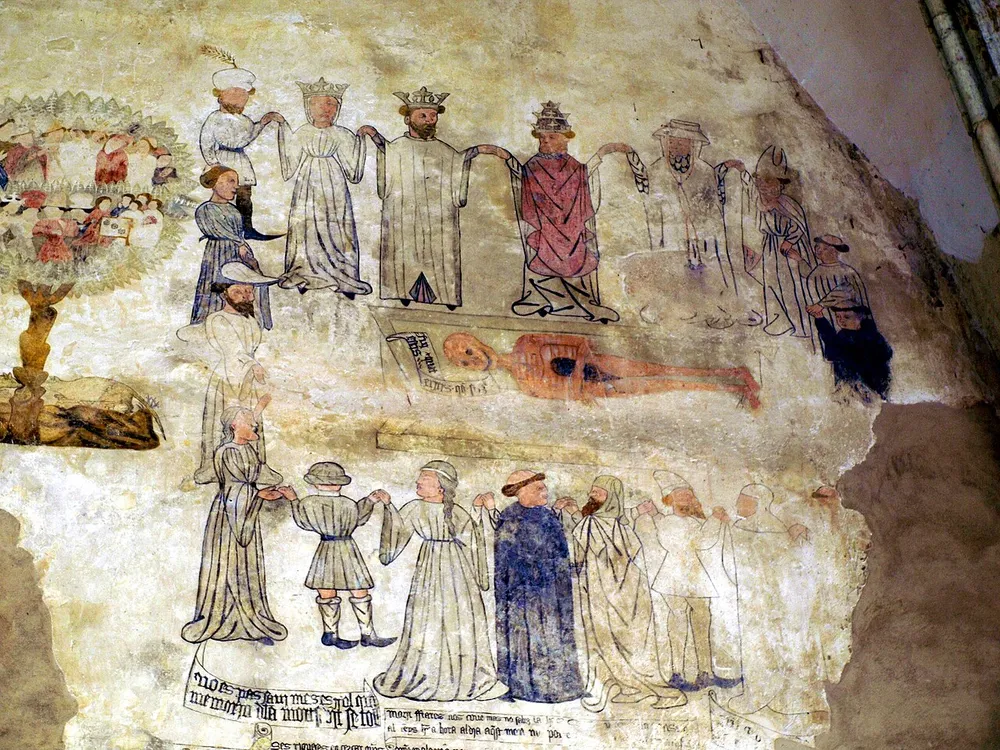
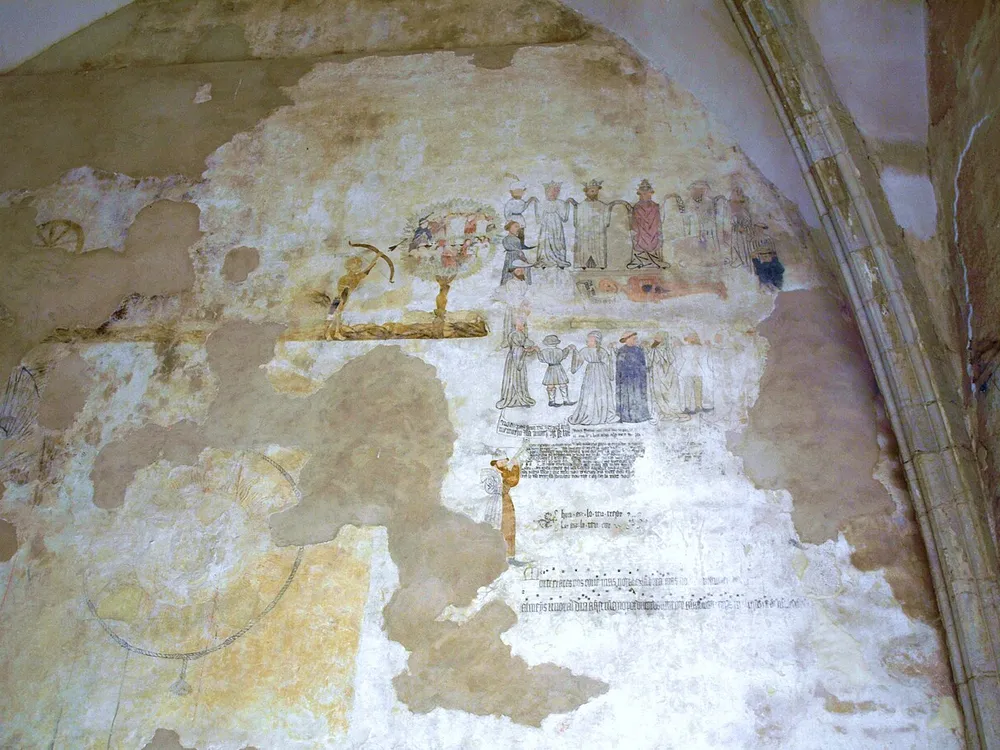
Founded in 1272, this Franciscan friary preserves its oldest cloister (late 13th century), a single-nave Gothic church and the famous chapter house with its 15th-century Dance of Death fresco, a rarity in Spanish mural painting. It is visited together with Morella's castle, to which it serves as the gateway, and offers magnificent views over the valley.
Founded in 1272, the Convent of Saint Francis is one of the oldest and most valuable monastic complexes in Morella. It stands in the upper part of the old town, beside the castle, to which it serves as the entrance, so both monuments are seen on a single climb crowned by magnificent views over the valley.
What to see
The convent preserves the oldest cloister in the complex, built in the late 13th century, along with a single-nave Gothic church, sober and full of light, true to the region's Gothic tradition. Its most celebrated feature is the chapter house, which holds a 15th-century Dance of Death fresco — a rarity in Spanish mural painting and reason enough to make the climb.
Tips for your visit
- The route up to the castle passes through the convent, so allow time for the full climb.
- The path is steep and cobbled; wear comfortable footwear.
- Step out to the lookouts to enjoy the views over the valley and the town walls.
- Combine your visit with the basilica of Santa María on the same walk.
Frequently asked questions
When was the Convent de Sant Francesc de Morella founded?
It was founded in 1272, which makes it one of the oldest and most valuable monastic complexes in Morella.
Can it be visited together with the castle?
Yes, it stands in the upper part of the old town next to the castle, serving as its access, so both monuments are seen on a single route. The visit has a fee; confirm the price and hours before going.
What stands out about the Convent de Sant Francesc de Morella?
It preserves the oldest cloister of the site, from the late 13th century, and a single-nave Gothic church. Its most famous piece is the chapter house with its 15th-century Dance of Death fresco, a rarity in Spanish mural painting.
Comments
Sign in with Google to comment and rate
Be the first to comment.