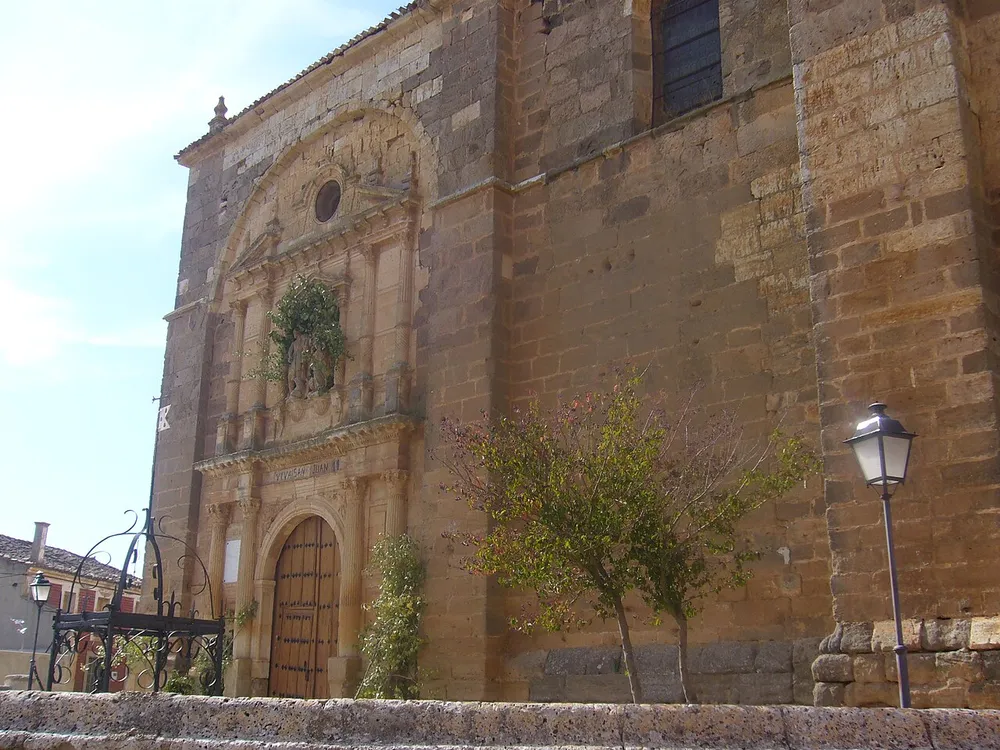
Iglesia Parroquial de los Santos Juanes
Cullera's mother church, built in 1692 over a 13th-14th century Gothic temple, of which one chapel still survives beneath the bell tower. It was the town's only parish from 1248 to 1953 and stands out for its single neoclassical nave with Corinthian pilasters, an 18th-century Baroque ceramic dado of some 700 tiles, and paintings by Rafael Cardells. It hosts the Virgen del Castillo during the patron-saint festivities, between the Baixà and the Pujà.
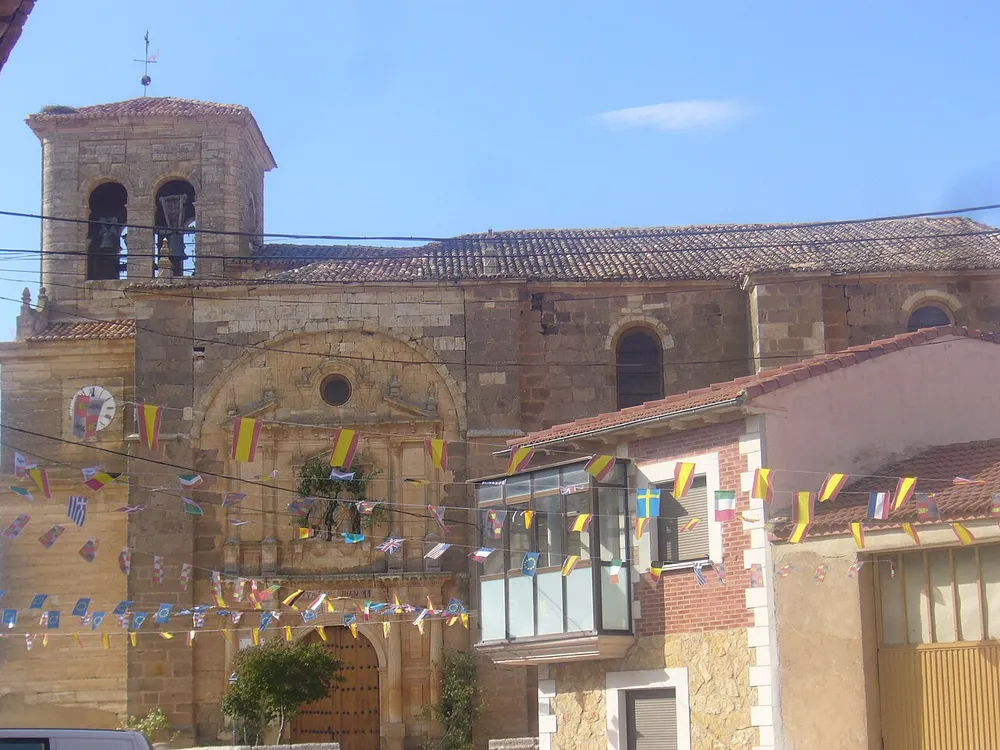
The Parish Church of the Santos Juanes is the mother church of Cullera, set in the old town at the foot of the Castle hill. For centuries it was the religious heart of the town and still holds that central place in local life today, especially during the festive season. Its sober façade and neoclassical interior make it a natural stop for anyone climbing up towards the castle and the lighthouse.
History
The present building was raised in 1692 over a Gothic church from the 13th and 14th centuries, of which a chapel beneath the bell tower still survives. From 1248 to 1953 it was the only parish in Cullera, making it one of the town's most historically charged sites. That long continuity explains the mix of styles visitors notice as they walk through it.
What to see
The interior is laid out as an elegant single neoclassical nave with Corinthian pilasters. Two features stand out:
- A Baroque ceramic dado from the 18th century, made up of around 700 tiles, running along the lower part of the walls.
- The paintings by Rafael Cardells that decorate the church.
Tips for your visit
- Combine the visit with a climb up to the nearby castle and the lighthouse viewpoint.
- If you come during the patron-saint festivities, the church hosts the Virgin of the Castle between the Baixà and the Pujà processions.
- Respect service times and keep quiet inside.
Frequently asked questions
Is it free to enter the Church of Los Santos Juanes in Cullera?
Yes, access is free. It is Cullera's mother church, set in the old town.
Where is the Parish Church of Los Santos Juanes?
It stands in Cullera's old town, at the foot of the Castle hill, on the way up towards the castle and the lighthouse.
What stands out about the Church of Los Santos Juanes?
Built in 1692 over a Gothic temple, it stands out for its single neoclassical nave with Corinthian pilasters, an 18th-century Baroque ceramic dado of about 700 pieces and paintings by Rafael Cardells.
Comments
Sign in with Google to comment and rate
What did you think? Be the first to share it.