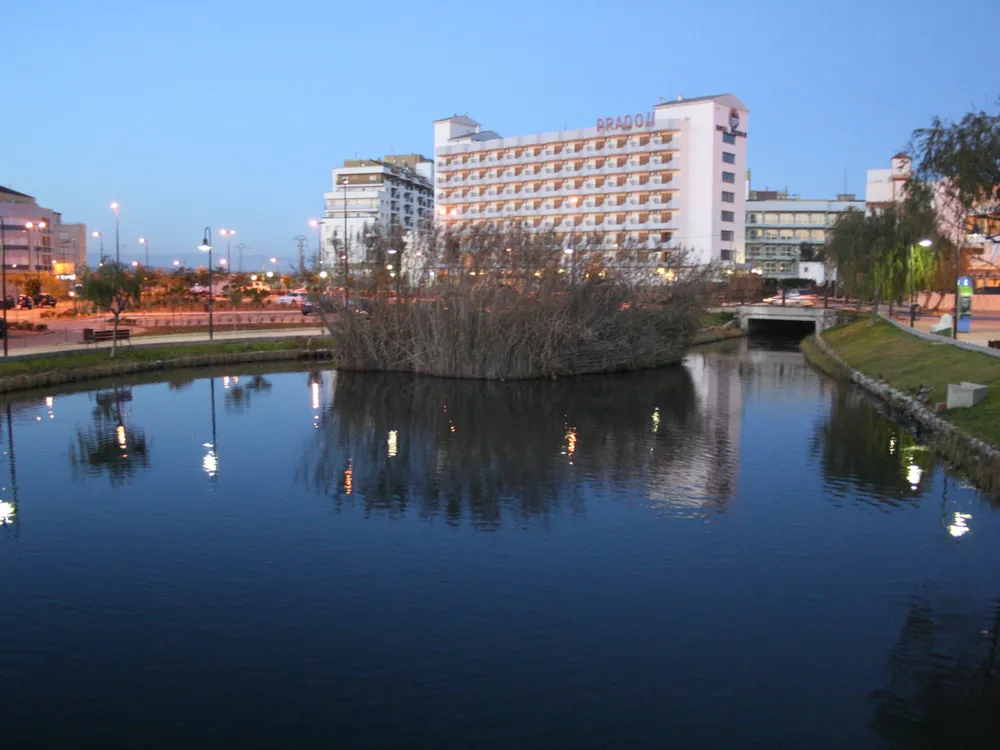
Marjal de Peníscola
A protected wetland beside the South Beach, fed by underground springs called 'ullals' that surface and flood the low-lying ground. It holds one of the largest populations of the samaruc (Valencia hispanica), an endemic fish threatened with extinction, and is listed in the Valencian Wetlands Catalogue and the Natura 2000 network. It is explored along boardwalks and paths with viewpoints.
Right behind the South Beach, where almost no one looks, fresh water wells up from below ground: the Marjal de Peníscola is a wetland fed by underground springs called ullals, which surface and flood the low-lying land.
What makes it special
It is home to one of the largest populations of the samaruc (Valencia hispanica), a small endemic fish of the region threatened with extinction. The wetland is listed in the Valencian Wetlands Catalogue and the Natura 2000 network, which gives a sense of its ecological value despite sitting a step away from the tourist zone.
Walking it
Wooden boardwalks and flat paths with viewpoints cross the wetland, and access is open and free. Bring binoculars, because it is a good place to watch waterbirds a short step from monumental Peníscola. It sits next to the Serra d'Irta Natural Park, so you can string it together with a walk in the hills.
Frequently asked questions
Is it free to visit the Marjal de Peníscola?
Yes, access is free and open. You cross it on wooden boardwalks and flat paths with lookouts, just behind the South beach.
What is special about this wetland?
It is fed by underground springs called 'ullals' and is home to one of the largest populations of the samaruc (Valencia hispanica), an endemic fish at risk of extinction.
What can you do at the Marjal?
It is a good place to watch water birds, so bring binoculars. It is listed in the Valencian Wetlands Catalogue and the Natura 2000 Network.
Comments
Sign in with Google to comment and rate
What did you think? Be the first to share it.