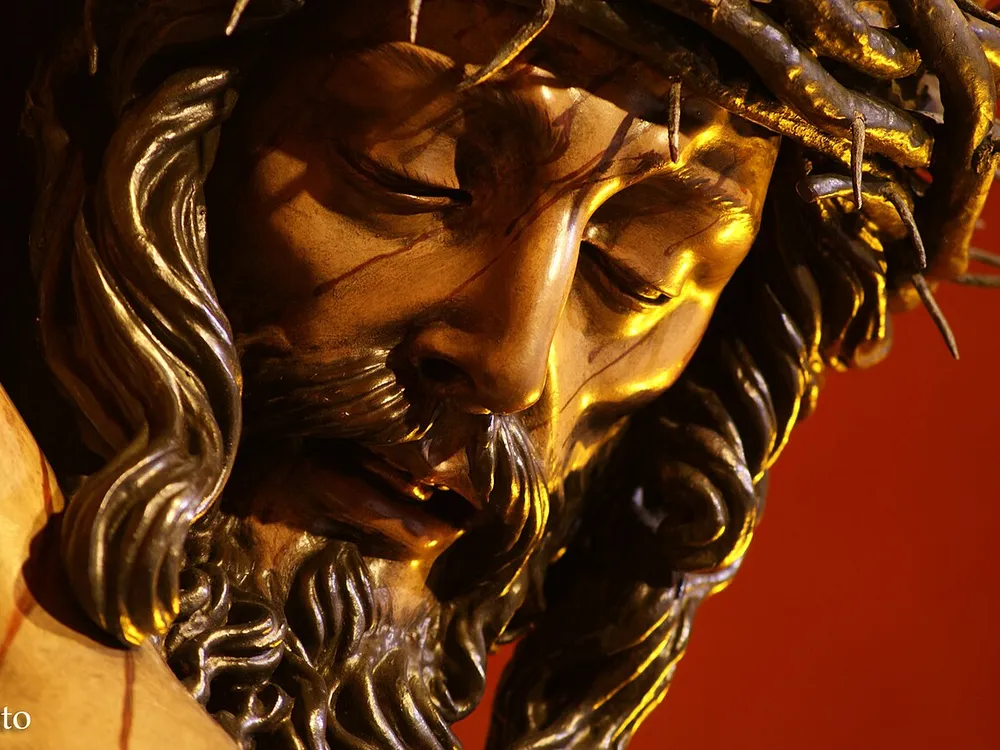
Iglesia de la Sangre de Cristo
A church raised in 1614 over a medieval hermitage and later reworked with a marked 18th-century neoclassical character. It has a Latin-cross plan, with a central nave and side chapels set between the buttresses. It is one of the oldest religious buildings in the historic centre and a witness to Cullera's agricultural heyday in the 17th and 18th centuries.
In the heart of Cullera's old town, the Church of the Blood of Christ (Iglesia de la Sangre de Cristo) is one of the oldest religious buildings in the city. Built in 1614 on the site of a medieval chapel, it preserves centuries of history within its walls and offers visitors a peaceful corner away from the bustle of the coast.
History
The church was raised in 1614 on the spot of an earlier medieval hermitage. It was later remodelled, taking on the pronounced neoclassical character that shapes much of eighteenth-century Valencian architecture. Its construction and embellishment bear witness to the agricultural prosperity Cullera enjoyed during the seventeenth and eighteenth centuries, when the wealth of the fertile huerta funded the town's building projects.
What to see
The building has a Latin-cross plan, with a central nave and side chapels opening between the buttresses, a layout typical of churches from this period. The interior, restrained and light-filled, reflects the sober language of neoclassicism.
Tips for your visit
- Pair it with a stroll through the old town's streets, where the city's oldest heritage is concentrated.
- Check the worship schedule in advance, as access is usually tied to Mass times.
- Combine your visit with the nearby Cullera castle and its sweeping views.
Frequently asked questions
Is it free to visit the Church of the Blood of Christ?
Yes, it is a freely accessible church, set right in Cullera's old town.
Where is the Church of the Blood of Christ?
It stands right in Cullera's old town, a peaceful corner away from the bustle of the coast.
What is special about the Church of the Blood of Christ?
Built in 1614 over a medieval hermitage, it is one of the oldest religious buildings in the city, with a Latin-cross floor plan and a marked 18th-century neoclassical character.
Comments
Sign in with Google to comment and rate
What did you think? Be the first to share it.