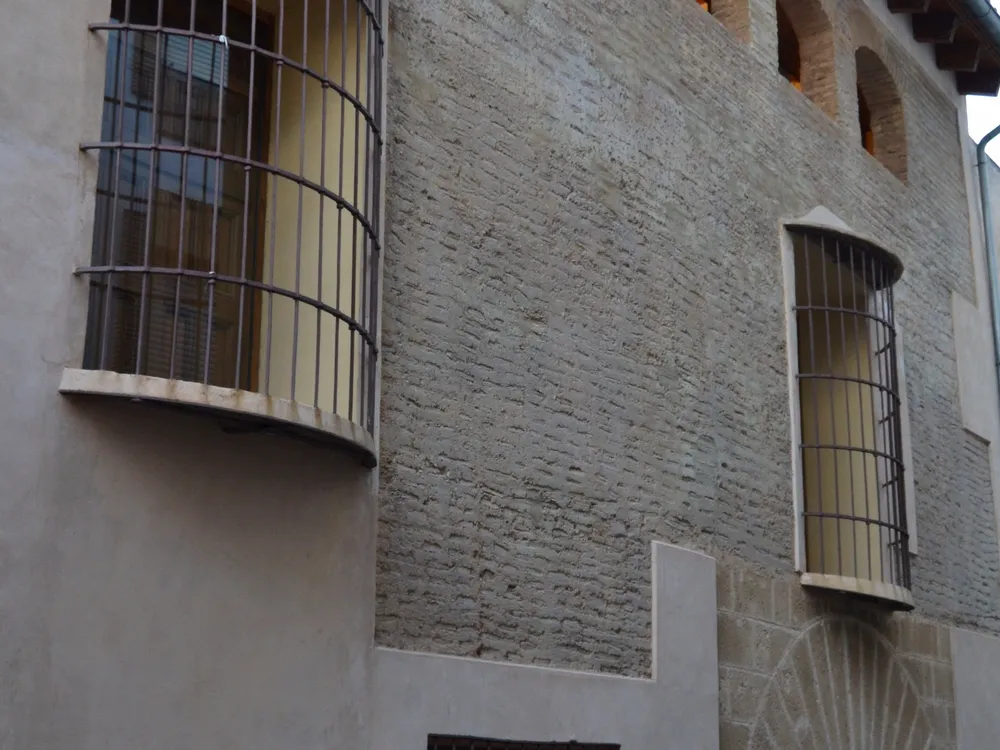
Museu Etnològic d'Oliva
Set in a group of noble houses on Calle Tamarit (15th–18th c.), saved from demolition in 1985, sharing its building with the Central Library. Its rooms trace Oliva's traditional farming culture —from irrigation and market gardens to rice, vines, mulberry, silk, oil and oranges— with old tools and household objects from the rural past. A good stop for understanding everyday historic life in La Safor.
In 1985, rather than demolish a group of noble houses from the 15th to 18th centuries on Calle Tamarit, Oliva chose to save them. That restored building, shared with the Central Library, is now home to the Museu Etnològic d'Oliva, right in the old quarter of Oliva.
What to see inside
Its rooms tell the story of the farming culture that sustained La Safor for centuries. You follow the cycle of water and the market garden and, crop by crop, rice, vines, mulberry and silk, oil and oranges. The cases gather farm tools and household objects from rural life, the implements people worked by hand before mechanisation.
Why it's worth the stop
It is a small, free museum, useful for understanding where the landscape of orchards and orange groves you cross on the way into town comes from. It pairs well with the Museu Casa de Maians for a morning of museums in the historic centre.
Frequently asked questions
Is the Museu Etnològic d'Oliva free?
Yes, it is a small, free museum.
Where is the Museu Etnològic d'Oliva?
In manor houses on Calle Tamarit (15th-18th c.), right in the old town, sharing the building with the Central Library.
What can you see at the Museu Etnològic d'Oliva?
Its rooms cover La Safor's traditional farming culture —irrigation and market gardens, rice, vines, mulberry, silk, oil and oranges— with tools and household items from the rural past.
Comments
Sign in with Google to comment and rate
What did you think? Be the first to share it.