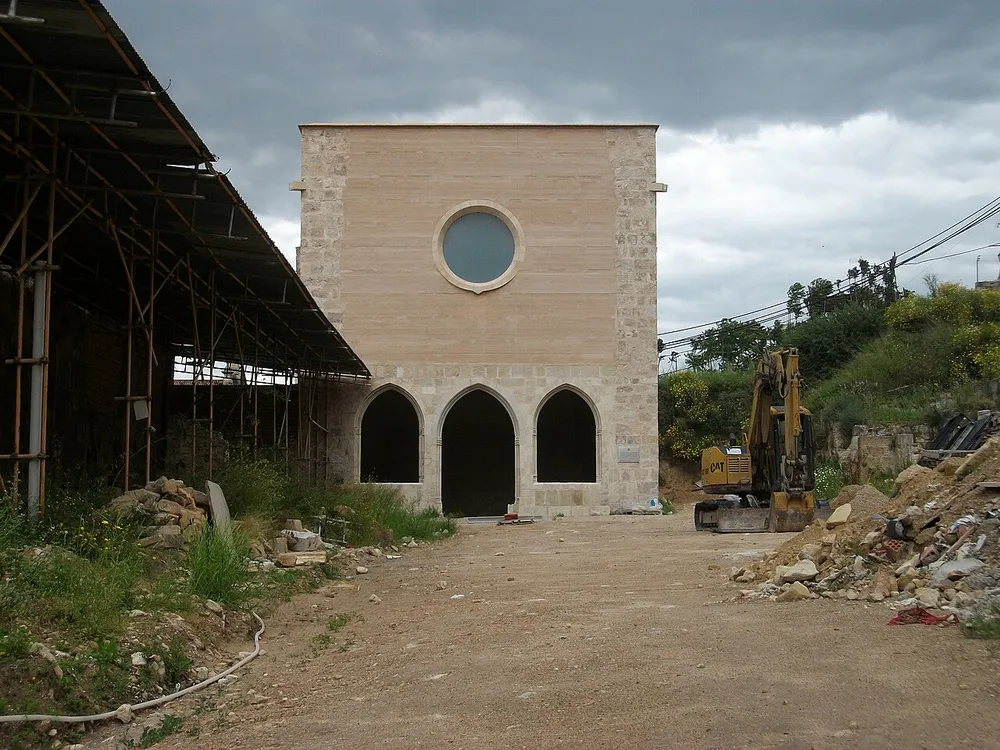
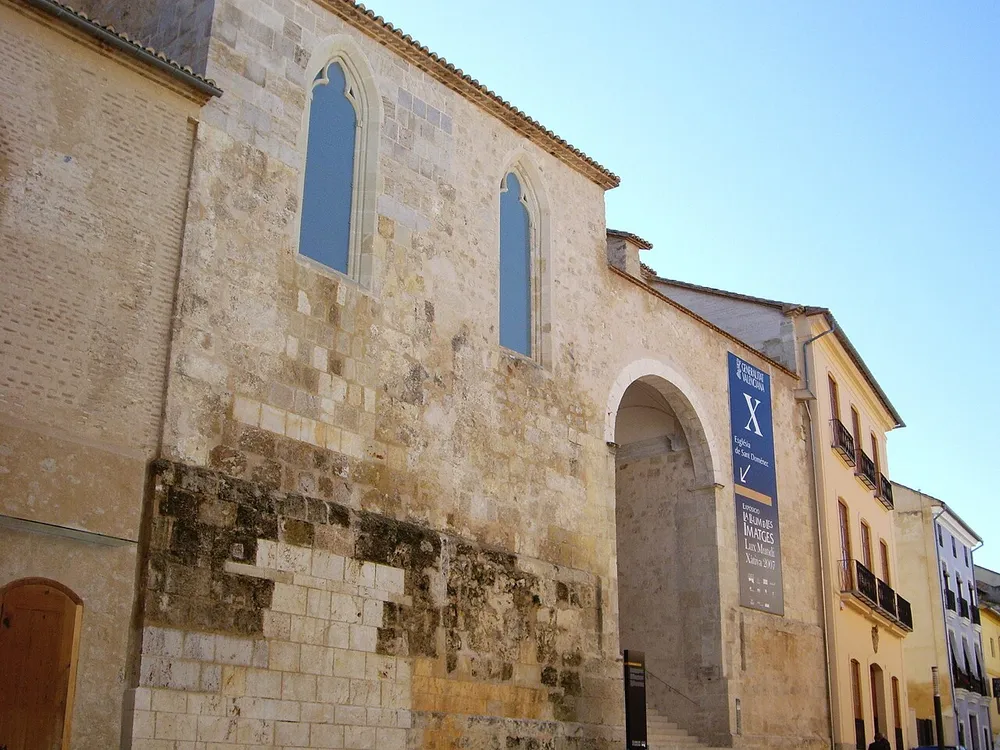
Església del Reial Convent de Sant Domènec (Santo Domingo)
The Dominican convent was founded in the late 13th century with the favour of the Crown of Aragon, especially James II. Its church is a sober example of single-nave Catalan Gothic. The convent was abandoned and demolished in the 20th century, but the church was preserved and restored, and in 1982 it was declared an Asset of Cultural Interest. Today it functions as a cultural and exhibition space.
In the old town of Xàtiva, the church of the Reial Convent de Sant Domènec stands out for its calm elegance. It was once the heart of a Dominican convent founded in the late 13th century under the favour of the Crown of Aragon, and especially of James II. Today it is a cultural and exhibition space that keeps the spirit of Valencian Gothic largely intact.
History
The convent's founding goes back to the medieval period, when the Dominican order settled in the city with the backing of the monarchy. Over the centuries the conventual complex went through periods of splendour and decline, until in the 20th century it was abandoned and largely demolished. From that ensemble the church was saved and restored, and it was declared a Site of Cultural Interest in 1982.
What to see
The building is a sober example of Catalan Gothic with a single nave, with clean lines and generous volumes typical of the medieval churches of the old kingdom. Light enters through the windows, and the height of the space invites you to stop for a moment and look slowly.
Tips for your visit
- It now works as an exhibition hall, so it is worth checking the programme before you go.
- It sits in the old town, and it is easy to combine with a walk to the Collegiate church or the castle.
Frequently asked questions
Can you enter Sant Domènec for free?
Yes, entry is free; today it works as a cultural and exhibition space.
What style is the church of Sant Domènec?
It is a sober, elegant example of single-nave Catalan Gothic, the only part preserved of the former Dominican convent.
When was this convent founded?
The Dominican convent was founded in the late 13th century with the support of the Crown of Aragon, especially James II; the church was declared a cultural heritage site in 1982.
Comments
Sign in with Google to comment and rate
What did you think? Be the first to share it.